


Experiencing water damage in your home can unleash a wave of emotions. Suddenly, you’re finding leaks in your roof, dealing with burst pipes or watching helplessly as floodwaters invade your basement.
It’s not just about the mess; it’s the daunting task of piecing back together what was once undamaged. We understand how stressful this situation can be because we’ve navigated these waters too.
A crucial piece of wisdom from our journey? Acting swiftly can dramatically lessen both the destruction and the dent on your wallet.
In our quest for solutions, we’ve thoroughly explored what it takes to revive homes afflicted by water woes. This blog post is designed to be a guiding light through the murky process—not only on how to rid your space of unwanted water but also on restoring every corner of your abode to its pre-tragedy glory.
From conducting an initial walkthrough and siphoning off standing water with industrial-strength wet/dry vacuums to employing high-efficiency particulate air dryers for thorough drying, tackling mold threats head-on, and mending any structural damage—we’ve got every step covered.
Ready for some peace of mind?
Key Takeaways
- Water damage requires prompt action to prevent further issues, involving removing standing water and drying the area with specialized equipment.
- The process of water mitigation is crucial as a first step to stop additional damage and prepare for restoration, which includes dealing with mold threats and repairing structural damage.
- Restoration goes beyond drying, involving cleaning, sanitizing affected areas, and possibly reconstructing damaged parts of the home to ensure it’s safe and healthy again.
- Professional help is vital in water damage restoration due to their expertise in using advanced tools for extraction, drying, cleaning, and restoring homes effectively.
- Understanding the difference between water mitigation (preventing further damage) and restoration (repairing existing damage) helps homeowners make informed decisions after water incidents.
Defining Water Mitigation

Water mitigation plays a crucial role in minimizing water damage by swiftly extracting water and drying affected areas. The process involves using specialized equipment like water extractors and dehumidifiers to remove excess moisture from the environment.
The role of water mitigation
We all face water damage at some point, and that’s where water mitigation steps in. This process stops more damage from happening after a flood or a leak. It’s our first line of defense.
We move fast to get rid of the standing liquid using pumps and vacuums. Then, we dry out the place with fans and dehumidifiers to prevent mold from growing.
During this phase, we also take safety precautions seriously. We test for humidity and moisture in your walls and floors to ensure they’re not holding excess dampness which can weaken structures or cause health issues.
Using commercial-grade equipment, like air scrubbers, helps us clean the air of any contaminants caused by water damage. Our goal is clear: stop further harm quickly and effectively while preparing for the next step – restoration back to pre-loss condition.
Processes involved in water mitigation
After understanding the role of water mitigation, let’s now explore the processes involved in it. We aim to prevent further damage by taking immediate steps.
- Inspect and assess the water damage – We start with a thorough inspection of your home using advanced tools. Devices like moisture detectors help us find out how much damage there is.
- Remove standing water – Using high-powered pumps and vacuums, we quickly get rid of all the standing water. This step is crucial to avoid mold growth and further damage.
- Dry out the area – Once all the visible water is gone, we use air movers and dehumidifiers to dry out wet materials. Carpets, walls, and furniture may need this treatment to prevent humidity problems.
- Clean up – Water damage leaves behind dirt, bacteria, and possible mold spores. We clean all affected surfaces thoroughly to ensure your health and safety aren’t at risk.
- Sanitize affected areas – After cleaning, we sanitize with antimicrobial treatments to kill any remaining germs or mold spores, making sure your home is safe for living again.
- Conduct humidity and moisture testing – To make sure every corner of your house is dry, we perform tests for excess moisture. This step ensures no leftover dampness can cause problems later on.
Through these processes, we tackle the immediate threats posed by water damage in homes. Each step uses specific tools designed for quick and effective results, ensuring homeowners can return to their daily lives without worry about future issues related to this unfortunate event.
Understanding Water Damage Restoration

Understanding water damage restoration involves assessing the extent of the damage and implementing a step-by-step process to repair and restore the affected areas. Professional intervention is crucial in effectively mitigating water damage and preventing health hazards such as mold growth.
The process includes extracting standing water, dehumidifying the space, sanitizing surfaces, and if necessary, repairing and reconstructing damaged areas.
The importance of water damage restoration
Restoring a home after water damage is crucial for keeping it safe and healthy. It goes beyond simple drying and includes mold prevention, cleaning, and repairing damaged structures.
This process uses advanced tools like high efficiency particulate air (HEPA) filters, dehumidifiers, and specialized vacuums to ensure a thorough cleanup. It tackles not just the visible effects of flooding but also hidden risks such as disease-causing bacteria and structural weaknesses.
Making your home safe again is our top priority in water damage restoration.
By taking prompt action, we minimize health hazards posed by standing water and moisture. Our goal is to restore not only your property’s condition but also your peace of mind following natural disasters or leakages.
This often involves removing soaked carpets, sanitizing surfaces, and ensuring that every corner meets workplace safety standards against further environmental threats.
Steps involved in water damage restoration
When dealing with water damage restoration, it’s crucial to follow a systematic process to ensure thorough recovery. Here are the essential steps involved:
- Conducting a Comprehensive Water Damage Inspection: This involves assessing the extent of the damage, identifying affected areas, and evaluating the type of water involved (e.g., clean, gray, or black water).
- Removing Standing Water Through Extraction: Utilizing powerful pumps and vacuums to swiftly eliminate standing water from your property.
- Drying and Dehumidifying Affected Areas: Implementing advanced drying equipment and dehumidifiers to extract moisture from walls, floors, and other structural elements.
- Cleaning and Sanitizing All Surfaces: Thoroughly cleaning and disinfecting all surfaces to prevent mold growth and ensure a safe living environment.
- Repair and Reconstruction if Necessary: Restoring damaged structures, such as walls, flooring, or cabinets, to their pre-damaged state. If needed, professionals will also handle reconstruction procedures.
These steps are crucial components in ensuring a successful water damage restoration process that protects your home environment and safeguards your well-being.
The Differences Between Water Mitigation and Water Restoration

Water mitigation focuses on preventing further damage after a water-related incident, whereas water restoration involves the actual repair and restoration of the affected areas. Both processes are crucial in addressing water damage effectively.
The focus of each process
Water mitigation primarily aims to minimize damage caused by excessive water. The process involves quick removal of standing water, thorough drying, and dehumidification. Restoration then focuses on repairing the resulting damage, such as sanitizing affected surfaces and potentially conducting repairs or reconstruction if necessary.
The outcomes of each process differ significantly, with mitigation preventing further damage quickly after an incident while restoration is geared towards returning the affected area to its pre-damage condition.
Understanding these distinctions helps homeowners appreciate why both processes are essential in addressing water-related incidents effectively.
The outcomes of each process
The focus of each process has an impact on the outcomes and overall result. Water mitigation primarily aims to prevent further damage, while water restoration focuses on returning your property to its pre-damage condition.
Mitigation minimizes initial loss by swiftly addressing standing water and moisture, preventing mold growth and structural issues. Restoration actively repairs and restores damaged areas, reinstating your home’s safety and integrity.
In mitigation, the key goal is to stop immediate damage from worsening. In contrast, restoration aims at fixing and rebuilding affected areas for a complete recovery. Each process plays a crucial role in safeguarding your property against future risks while ensuring that any existing damage is effectively resolved.
Common Misconceptions About Water Restoration and Mitigation

Water damage restoration is often misconceived as being more costly than replacement. It’s important to remember that professional intervention during water damage is crucial to preventing potential health hazards and ensuring thorough restoration.
The drying process isn’t just about removing visible moisture; it involves meticulously dehumidifying affected areas to prevent mold growth and other long-term issues.
The cost-effectiveness of replacement vs. restoration
When dealing with water damage, the decision between replacing and restoring damaged items can significantly impact your budget. While replacement might seem like the easier choice, restoration can often be a more economical option.
Professional water damage services are equipped with specialized equipment and techniques to salvage and restore items affected by water damage, such as carpets, rugs, and even concrete surfaces.
Restoration not only saves money but also reduces waste by preserving valuable investments such as furniture and personal belongings.
Restoration experts meticulously assess the extent of damage to determine what needs to be replaced or restored. They utilize advanced methods like vacuuming crawl spaces and using fire suppression techniques to save materials that may otherwise need replacement due to flood damage or other forms of water-related issues.
The necessity of professional intervention
Professional intervention is crucial in addressing water damage effectively. Trained experts possess the knowledge and experience to assess the extent of the damage, use specialized equipment for water extraction, control potential health hazards such as mold growth, and ensure thorough drying and sanitization.
Additionally, professionals are equipped to handle any necessary repairs and reconstruction with precision.
Homeowners should not underestimate the importance of seeking professional assistance in handling water damage. Expert intervention plays a vital role in minimizing further risks to health and safety, preventing long-term structural issues, and restoring affected areas efficiently.
Misinterpretation of the drying process
Now, let’s talk about a common misunderstanding when it comes to drying out water-damaged areas. Many homeowners believe that simply airing out the space and waiting will do the trick; however, this is not always the case.
Drying out affected areas after water damage requires more than just opening windows or using fans. It involves utilizing professional-grade dehumidifiers and specialized drying equipment to ensure thorough moisture removal from carpets, walls, and other surfaces.
Professional restoration experts meticulously inspect and monitor the drying process to prevent further damage and reduce the risk of mold growth. This careful approach underpins a successful restoration effort, ensuring that your home is thoroughly dried and safe for your family’s health while also preventing any potential long-term fire hazards or costly repairs down the line.
The Water Damage Restoration Process
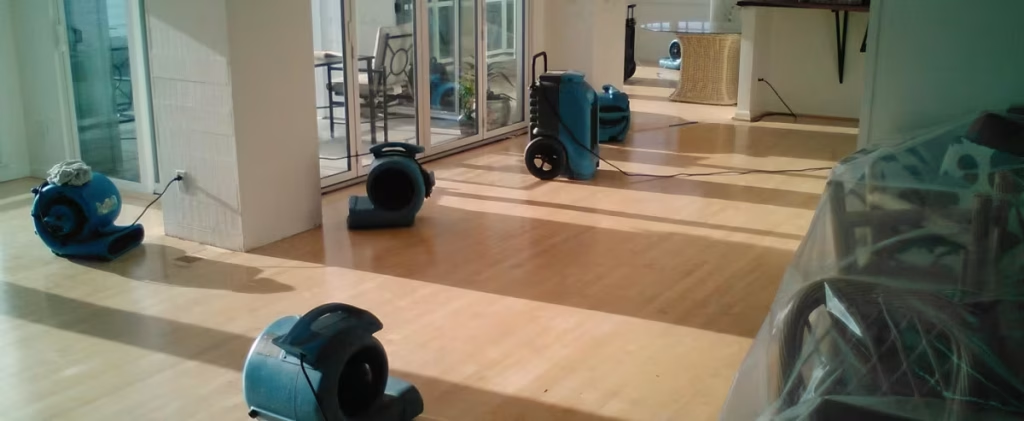
When water damage occurs, a thorough restoration process is crucial. This involves conducting a meticulous inspection, removing standing water, thoroughly drying affected areas, and sanitizing surfaces to ensure safety and health.
Reconstruction may also be necessary to restore the impacted areas of your home.
Conducting a water damage inspection
When conducting a water damage inspection, the first step is to thoroughly examine all affected areas. Look for visible signs of damage, including water stains on walls and ceilings, warped flooring, and musty odors.
Check for any standing water that needs to be extracted using specialized equipment like wet vacuums or pumps. It’s also crucial to inspect hidden spaces such as behind walls and under flooring, as these areas are susceptible to moisture buildup and mold growth.
After assessing the extent of the water damage, it’s important to document your findings with photos or videos for insurance purposes. Be sure to take note of any damaged belongings or structural issues that will need attention during the restoration process.
Removing standing water through extraction
After conducting a water damage inspection, the next crucial step is removing standing water through extraction. This process involves using specialized pumps and vacuums to eliminate any remaining water from your home quickly and efficiently.
By effectively extracting standing water, we prevent further damage to your property’s structure and minimize the risk of mold growth.
Professional extraction equipment ensures that all surfaces are thoroughly dried to prevent long-term issues such as rot and structural damage. It’s important not to overlook this critical step in the restoration process, as even small amounts of standing water can lead to significant problems if not addressed promptly.
Drying and dehumidifying affected areas
To dry and dehumidify the affected areas, we use industrial-grade air movers and dehumidifiers. These tools help to eliminate moisture from carpets, walls, and furniture efficiently.
The process aids in preventing mold growth and further damage to your home. Additionally, opening windows and using fans can also assist in the drying process.
Furthermore, utilizing a moisture meter allows us to accurately measure the level of humidity in different materials within your home. This enables us to ensure that all affected areas are thoroughly dried before restoration work begins.
Cleaning and sanitizing all surfaces
After removing standing water and drying the affected areas, it’s crucial to clean and sanitize all surfaces thoroughly. This process eliminates any lingering bacteria, mold, or mildew.
Using specialized cleaning solutions and techniques ensures that your home is safe for you and your family. Additionally, professional carpet cleaning can help eliminate any contaminants that may have seeped into the flooring during the water damage event.
Once all surfaces are cleaned and sanitized, repair work can commence if necessary to restore your home to its pre-water damage condition.
Repair and reconstruction, if necessary
After meticulously cleaning and sanitizing all surfaces, the next crucial step in addressing water damage is repair and reconstruction, if necessary. Once the affected areas are thoroughly dried and sanitized, a professional restoration team will assess the extent of the damage to determine what repairs or reconstruction may be needed.
This could involve replacing damaged drywall, flooring, insulation, or even structural elements in severe cases. Using advanced tools such as moisture meters and thermal imaging cameras, professionals ensure that every affected area is carefully examined for hidden damage before formulating a comprehensive plan for repair and reconstruction.
Professionals also use specialized techniques to mitigate any potential mold growth resulting from the water damage. It’s important to note that swift action toward repair can prevent further deterioration of your property’s structure as well as potential health hazards associated with mold growth post-water damage.
The Dos and Don’ts of Water Damage

After water damage, it’s important to take immediate action by removing excess water and moisture. Additionally, proper ventilation and dehumidification are crucial to prevent mold growth.
Navigating the Dos and Don’ts of water damage can be complex; however, paying attention to prompt cleanup efforts is tailored towards preventing further damage.
Recommended actions post-water damage
After experiencing water damage, it is crucial to take immediate action to minimize the extent of the damage and prevent further issues. Here are the recommended steps to take post-water damage:
- Remove standing water as soon as possible using pumps, wet-dry vacuums, or towels.
- Begin the drying process by opening windows, using fans, and running a dehumidifier to reduce moisture levels.
- Remove wet items such as carpets, rugs, and furniture to dry them outside if weather permits.
- Disinfect and sanitize affected areas to prevent mold growth using a mixture of water and bleach or commercial disinfectants.
- Consult with a professional restoration company to assess the extent of the damage and develop a comprehensive restoration plan.
These actions are essential in preventing mold growth and minimizing long-term structural damage caused by water intrusion.
Actions to avoid post-water damage
After experiencing water damage, it is crucial to avoid certain actions to prevent further deterioration. Here are the key actions to steer clear of post-water damage:
- Ignoring Standing Water: Neglecting to remove standing water can lead to structural damage and mold growth.
- Delaying Assessment and Restoration: Postponing assessment and restoration can exacerbate the damage, leading to costlier repairs.
- Overlooking Damp Materials: Disregarding damp materials such as carpets, drywall, and insulation can result in mold growth and compromise indoor air quality.
- Neglecting Proper Ventilation: Failing to ventilate the affected areas can hinder the drying process, promoting mold and mildew growth.
- Using Electrical Appliances in Wet Areas: Using electrical appliances in wet areas poses a severe electrocution hazard and must be avoided at all costs.
- Disregarding Professional Assistance: Attempting DIY restoration without professional guidance may exacerbate the damage and pose health risks due to improper handling of contaminants.
- Failing to Document the Damage: Neglecting to document the damage through photographs or videos may lead to challenges when dealing with insurance claims or seeking professional assistance.
Remember, taking prompt action and avoiding these detrimental practices are crucial in mitigating further damage after a water-related disaster strikes.
The Role of Professionals in Water Damage Restoration

Professionals play a crucial role in water damage restoration. Their expertise and experience enable them to assess the extent of the damage accurately and devise effective restoration plans.
Additionally, they utilize specialized equipment and techniques tailored towards efficient water extraction, drying, and dehumidifying processes, underpinning successful restoration efforts.
Expertise and experience
Professionals with extensive experience and expertise play a crucial role in the water damage restoration process. Their knowledge allows them to assess the extent of the damage accurately and devise effective restoration plans.
Using advanced tools and techniques, they tackle water damage with precision, ensuring that your home is restored to its pre-damage state efficiently.
Highly skilled experts are adept at identifying hidden pockets of moisture and understanding how different materials are affected by water intrusion. Their proficiency enables them to mitigate further structural issues, safeguarding your property from long-term repercussions.
Specialized equipment and techniques
We use advanced moisture meters and thermal imaging cameras to pinpoint hidden water pockets. Industrial-grade dehumidifiers are employed to remove excess moisture from the air, promoting faster drying.
High-powered extraction equipment efficiently removes standing water. Our skilled technicians also utilize powerful air movers to speed up the drying process by circulating airflow throughout affected areas.
Additionally, we employ specialized techniques such as structural drying and content restoration to ensure a thorough restoration process.
Our team employs cutting-edge technology such as infrared cameras for precise water detection. We use state-of-the-art dehumidifiers for effective moisture control while utilizing powerful extraction tools for swift water removal.
Hidden Dangers of Water Damage: Mold and What You Need to Know

Mold thrives in damp environments, posing a serious health risk and causing structural damage. Mold can appear within 24-48 hours of water damage, so it’s crucial to act swiftly. Our assessment showed that mold spores can trigger respiratory issues, allergies, and skin irritation.
Professional remediation is necessary to prevent its spread and ensure your home is safe for occupancy once more.
When left unaddressed, mold growth can lead to costly repairs and impact the resale value of your property. We are here to guide you through understanding the dangers of mold post-water damage and how professional intervention is essential in safeguarding your family’s well-being.
Moving on to “10. FAQs about Water Damage Restoration Process,” let’s address some common queries homeowners have regarding this critical process.
The Importance of Understanding the Distinction Between Water Mitigation and Water Restoration

Understanding the difference between water mitigation and water restoration is crucial for homeowners dealing with water damage. Water mitigation aims to prevent further damage by removing excess water and drying the affected areas, while water restoration focuses on repairing and restoring the damaged property to its pre-damage condition.
Recognizing this distinction can help homeowners understand the specific steps and processes involved in each phase of addressing water damage, ensuring that they make informed decisions about their property’s recovery.
By understanding these differences, homeowners can better communicate with professionals working on their property, set realistic expectations for the restoration process, and ensure that all necessary measures are taken to address both immediate concerns and long-term effects of water damage.
This knowledge empowers homeowners to advocate for comprehensive solutions that encompass both mitigation and restoration efforts, leading to a more effective recovery from water-related incidents.
Conclusion
Understanding the water damage restoration process is crucial for homeowners. It empowers us to take quick action after incidents like hurricanes or tropical storms. We must remember that professional intervention and specialized equipment are fundamental in ensuring a thorough restoration process.
By comprehending these distinctions between water mitigation and restoration, we can make informed decisions to protect our homes from the hidden dangers of water damage, such as mold growth.
FAQs
1. What is water damage mitigation?
Water damage mitigation involves taking quick actions to reduce the harm caused by water after events like hurricanes or tropical storms, including securing doors and windows.
2. How does the restoration process differ from just mitigating water damage?
The restoration process not only addresses immediate water impacts but also repairs and restores your home back to its original condition before the damage occurred.
3. Can hurricanes and tropical storms cause different types of water damage?
Yes, hurricanes and tropical storms can lead to various levels of water damage, requiring specific strategies for both mitigation and complete restoration based on your postal code’s risk level.
4. Why is it important to start the water damage restoration process quickly?
Starting quickly helps prevent further damages, mold growth, and ensures that your home returns to a safe, livable state sooner rather than later.
5. Time frame for water damage restoration process
The water damage restoration process generally takes about 3 to 5 days for completion. The duration can vary based on the extent of damage and the size of the affected area. Prompt action is crucial to prevent further structural issues, as well as mold and mildew growth.
It’s best to engage professionals who will assess, extract water, dry, clean, and repair your property efficiently within this time frame.
6. What needs to be replaced after water damage?
After water damage, several items may need to be replaced. Damaged drywall and insulation can harbor moisture and mold, while warped or buckled flooring could pose safety hazards. Additionally, electrical systems and appliances that have been exposed to water should be thoroughly inspected by a professional to ensure they are safe for use.
It’s important not to overlook door frames and baseboards which may need replacement if extensively damaged during the water event.
In addition, it’s essential to consider replacing any upholstered furniture or mattresses that have absorbed excessive moisture as they can become breeding grounds for mold and bacteria.
7. Should a professional be hired for water damage restoration?
After understanding the complexities involved in water damage restoration, it is advisable to seek professional help for this task. Our suite of specialized equipment and techniques, tailored towards restoring your home after water damage, underpins the importance of expertise and experience in this realm.
Professionals bring a meticulous approach to the drying, dehumidifying, cleaning, sanitizing, and repair processes that are designed to enhance the restoration process.
In an era where water damage can unleash hidden dangers such as mold growth post-restoration due to inadequate mitigation measures or DIY attempts gone wrong, seeking more than just a quick fix becomes essential.


